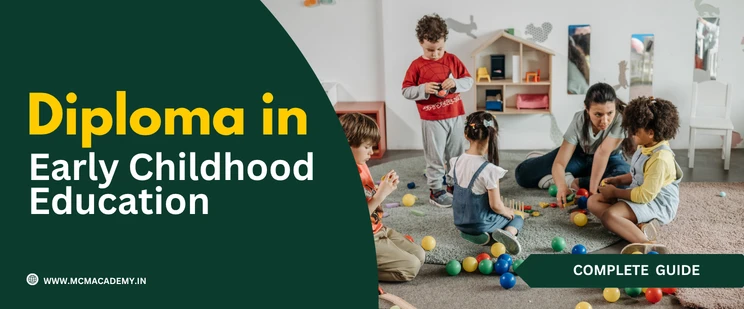
Education plays a vital role in shaping a child’s future, and early childhood is one of the most important stages of development. This is why qualified early childhood educators are in high demand worldwide. A diploma in early childhood education provides the knowledge, practical skills, and teaching methods needed to support young children during their formative years.
Whether you are passionate about teaching or looking for a meaningful career with long-term growth, this diploma can open the door to exciting opportunities in schools, childcare centers, and educational institutions.
In this guide, you will learn everything about the course, eligibility, benefits, career opportunities, and why pursuing a graduation diploma in early childhood education can be a smart choice for your future.
What Is a Graduation Diploma in Early Childhood Education?
A diploma in early childhood education is a specialized program designed to prepare individuals to work with young children, typically from birth to eight years of age. The course focuses on child development, teaching techniques, classroom management, communication skills, and learning psychology.
The main goal of this program is to help educators create positive and engaging learning environments that support emotional, social, physical, and intellectual growth in children.
Students learn:
- Child psychology
- Early learning methods
- Classroom management
- Creative teaching strategies
- Child health and safety
- Communication and behavioral skills
This course combines theoretical knowledge with practical training, making graduates job-ready.
Why Choose a Diploma in Early Childhood Education?
- Growing Demand for Early Childhood Educators
The importance of quality early education has increased significantly in recent years. Parents and schools now recognize the value of trained teachers who understand child development.
As a result, professionals with qualifications in early childhood education are highly sought after in:
- Preschools
- Daycare centers
- Nursery schools
- Kindergartens
- Educational NGOs
- Rewarding Career Opportunities
Working with children can be emotionally fulfilling and professionally rewarding. Educators help shape young minds, develop creativity, and build foundational learning skills.
This career offers:
- Job stability
- Personal satisfaction
- Career growth opportunities
- Flexible work environments
- Opportunities for Higher Education
After completing a diploma, students can pursue advanced studies or a graduation diploma in early childhood education to gain deeper expertise and better career prospects.
Higher qualifications often lead to:
- Senior teaching roles
- Curriculum development positions
- Academic coordination jobs
- School administration opportunities
Course Structure and Subjects
A typical diploma program covers both theoretical and practical aspects of child education.
Core Subjects Include:
- Child Development: Students learn how children grow emotionally, socially, physically, and intellectually.
- Educational Psychology: This subject focuses on understanding children’s learning patterns and behaviors.
- Teaching Methodologies: Learners explore interactive and child-friendly teaching approaches.
- Classroom Management: Students learn how to manage classroom activities effectively and maintain discipline positively.
- Health and Nutrition: This module emphasizes child safety, hygiene, and nutrition.
- Creative Activities: Art, music, storytelling, and play-based learning are essential parts of early childhood education.
Skills Developed Through the Course
A diploma in early childhood education helps students develop several essential professional skills.
- Communication Skills: Teachers learn how to communicate effectively with children, parents, and colleagues.
- Patience and Empathy: Working with young children requires understanding, emotional intelligence, and patience.
- Creativity: Creative teaching methods help educators make learning enjoyable and engaging for children.
- Leadership and Organization: Teachers learn how to plan lessons, organize activities, and manage classrooms efficiently.
Eligibility Criteria for Diploma Programs
The eligibility requirements may vary depending on the institution.
Generally, students need:
- Completion of 10th or 12th grade
- Basic communication skills
- Interest in teaching and child development
Some advanced or specialized programs may require prior teaching experience.
Duration of the Course
The duration of a diploma in early childhood education usually ranges from:
- 6 months to 1 year for certificate or diploma programs
- 1 to 2 years for advanced diploma programs
Some institutions also offer flexible online and distance learning options.
Career Opportunities After Completing the Diploma
The education sector offers a wide range of opportunities for qualified early childhood educators.
Preschool Teacher
One of the most common career options is becoming a preschool or nursery teacher.
Responsibilities include:
- Teaching basic concepts
- Conducting creative activities
- Supporting emotional development
- Childcare Center Coordinator
Professionals can work in daycare centers and childcare facilities, managing daily activities and child engagement programs.
Curriculum Planner
Experienced educators may help develop educational materials and lesson plans for schools and institutions.
Educational Consultant
Some graduates work as consultants, helping parents and schools improve early learning practices.
Private Tutor
Teachers can also offer personalized learning support for young children.
Benefits of a Graduation Diploma in Early Childhood Education
A graduation diploma in early childhood education offers advanced knowledge and better career opportunities compared to basic diploma programs.
Higher Salary Potential
Advanced qualifications often lead to better-paying roles in reputed institutions.
Better Career Growth
Graduates can move into:
- Leadership positions
- Training and mentoring roles
- Academic management
- International Opportunities
Many countries actively seek qualified early childhood educators, creating global career possibilities.
Online and Distance Learning Options
Today, many institutions offer online diploma programs that provide flexibility for students and working professionals.
Benefits of online learning include:
- Flexible study schedules
- Affordable fees
- Access from anywhere
- Self-paced learning
Distance learning programs are especially helpful for homemakers and professionals who want to continue education while managing other responsibilities.
How to Choose the Right Institution
Selecting the right college or training institute is essential for career success.
Check Accreditation
Always choose institutions recognized by educational authorities.
Review the Curriculum
Ensure the course includes:
- Practical training
- Internship opportunities
- Updated teaching methods
- Compare Fees and Flexibility
Choose a program that fits your budget and schedule.
Look for Placement Support
Some institutes offer placement assistance and career guidance services.
Challenges in Early Childhood Education Careers
Although rewarding, this profession also comes with challenges.
Managing Different Learning Styles
Every child learns differently, requiring adaptable teaching approaches.
Emotional Responsibility
Teachers must provide emotional support and maintain positive learning environments.
Continuous Learning
Modern educators need to stay updated with evolving teaching methods and educational technologies.
Future Scope of Early Childhood Education
The future of early childhood education looks highly promising due to increasing awareness about child development and quality education.
Emerging trends include:
- Digital learning tools
- Play-based education
- Inclusive classrooms
- STEM learning for young children
- Child-centered teaching methods
Governments and private institutions are investing more in early childhood education, increasing demand for trained professionals.
Tips for Success in Early Childhood Education
Develop Strong Communication Skills
Good communication improves classroom interaction and parent engagement.
Stay Creative
Creative activities make learning more enjoyable for children.
Practice Patience
Children require encouragement, understanding, and emotional support.
Continue Learning
Attend workshops and training sessions to improve teaching skills.
FAQs About Diploma in Early Childhood Education
Q1. What is the eligibility for a diploma in early childhood education?
Most institutions require students to complete 10th or 12th grade.
Q2. Is a diploma in early childhood education a good career choice?
Yes, it offers rewarding career opportunities and strong job demand.
Q3. What jobs can I get after completing the course?
You can work as a preschool teacher, childcare coordinator, curriculum planner, or private tutor.
Q4. Can I study this course online?
Yes, many institutions offer online and distance learning options.
Q5. What is the difference between a diploma and a graduation diploma in early childhood education?
A graduation diploma generally offers advanced training, broader career opportunities, and higher-level academic knowledge.
Conclusion
A diploma in early childhood education is an excellent choice for individuals passionate about teaching and child development. The course provides essential skills, practical knowledge, and career opportunities in the growing education sector.
Whether you want to work in preschools, childcare centers, or educational organizations, this qualification can help you build a stable and meaningful career. Pursuing a graduation diploma in early childhood education can further improve your expertise and open doors to advanced professional opportunities.
If you enjoy working with children and want to make a positive impact on young lives, this career path could be the perfect fit for you.
Start your journey today and become a part of shaping the future generation.